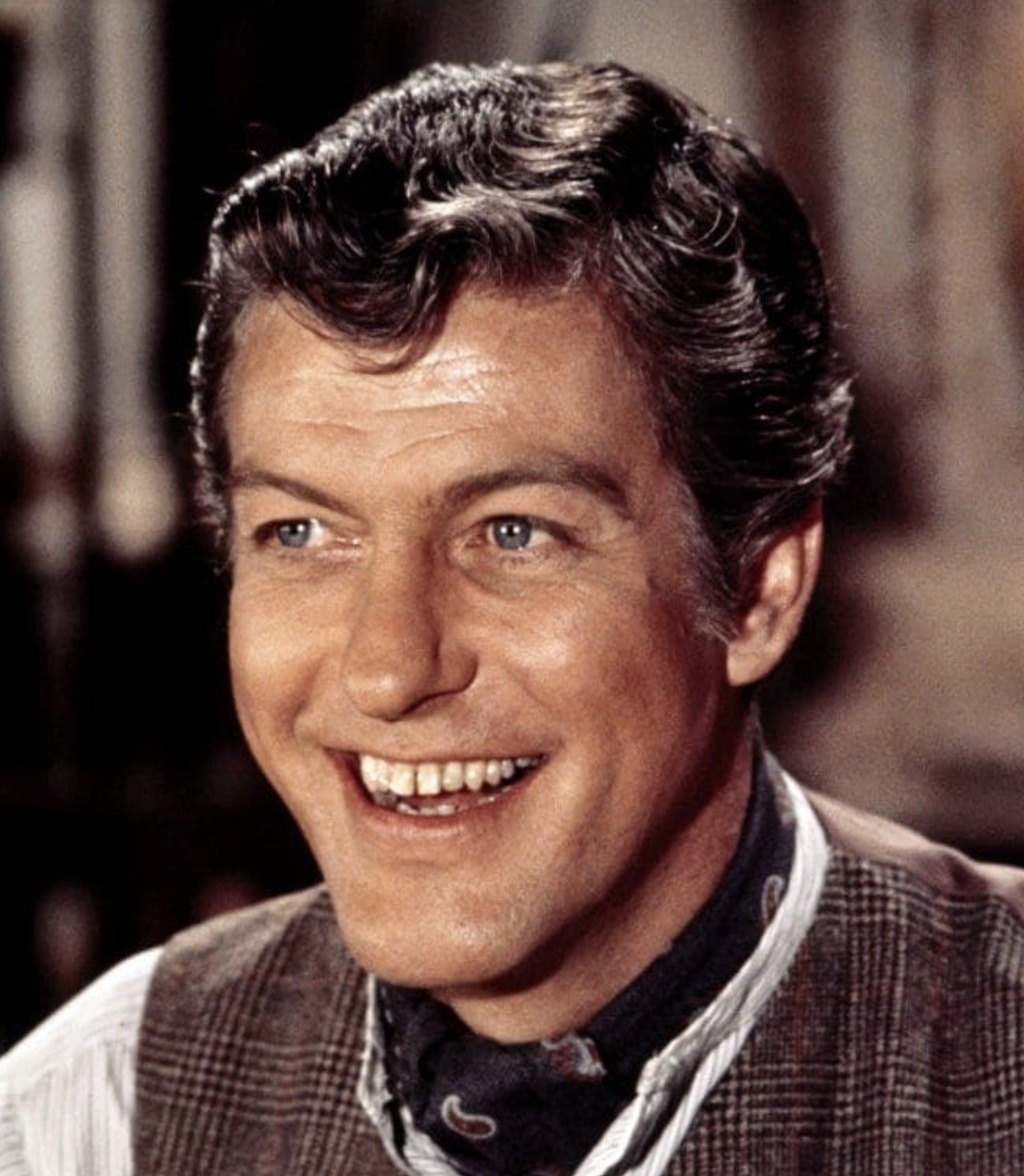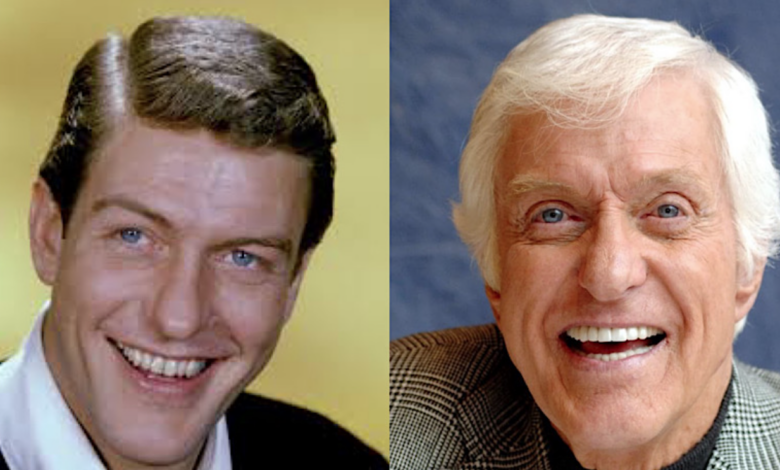
Dick Van Dyke’s Timeless Performances Still Bring Generations of Families Together
A Familiar Face Connected to Decades of Family Memories
For generations of Americans, seeing Dick Van Dyke on a television screen creates an immediate sense of familiarity.
His face can bring back memories of a television playing in the family living room, parents laughing together on the couch, and children gathering nearby for an evening of shared entertainment.
Through The Dick Van Dyke Show, Mary Poppins, and Chitty Chitty Bang Bang, Van Dyke became part of the entertainment that one generation introduced to the next.
Children who originally watched him dance, stumble, and joke eventually grew up and shared those same performances with their own children and grandchildren.
His career connects the intimate world of television comedy with the colorful spectacle of Hollywood musicals. In both settings, Van Dyke possessed a rare ability to make audiences feel welcome.
His characters entered extraordinary situations, but the warmth behind his performances made them seem approachable. Viewers were invited to laugh with him rather than simply watch from a distance.
Rob Petrie Became Part of the American Living Room
On The Dick Van Dyke Show, Van Dyke played comedy writer Rob Petrie, a husband and father attempting to balance his home life with the unpredictable demands of television production.
The series originally aired from 1961 to 1966, but its influence extended far beyond those five years.
Alongside Mary Tyler Moore, who played Laura Petrie, Van Dyke helped transform the fictional Petrie household into a place audiences felt they knew.
The show found humor in ordinary misunderstandings, professional frustrations, family disagreements, and the small embarrassments of everyday life. Rob Petrie did not need to be flawless to remain likable.
He stumbled over furniture, became carried away by his ideas, and regularly found himself trapped inside problems partly of his own creation.
Van Dyke’s physical comedy made those situations memorable, but the appeal went beyond movement. His timing, facial expressions, and ability to communicate embarrassment helped audiences recognize something of themselves in Rob.
The character could make a mistake without becoming cruel. He could look foolish without losing his dignity. By the end of an episode, laughter usually offered a path back toward understanding.
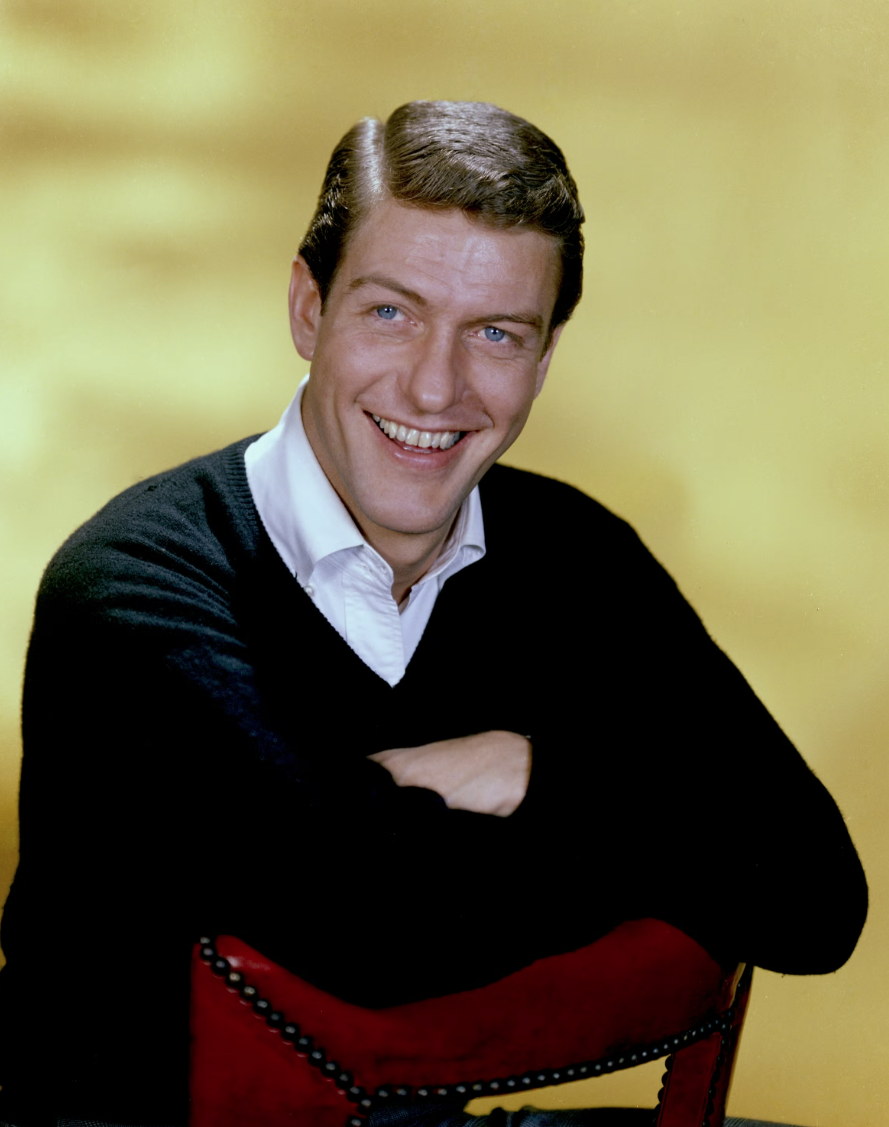
The Power of Being Willing to Look Foolish
Part of Van Dyke’s lasting charm comes from his willingness to surrender completely to a comic moment.
Some performers protect themselves from looking ridiculous. Van Dyke understood that appearing foolish could make a character more human.
His comedy often depended on confidence collapsing at exactly the wrong moment. A simple misunderstanding could grow into elaborate confusion, while an attempt to maintain control made the situation even funnier.